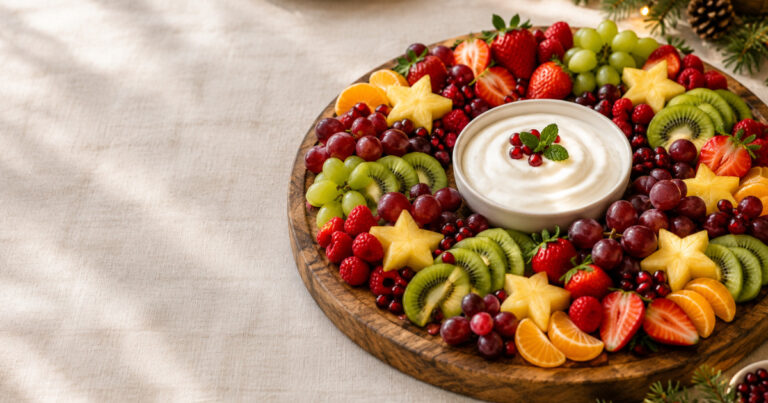
Kids Snack Charcuterie Board: Easy Ideas Parents Will Love
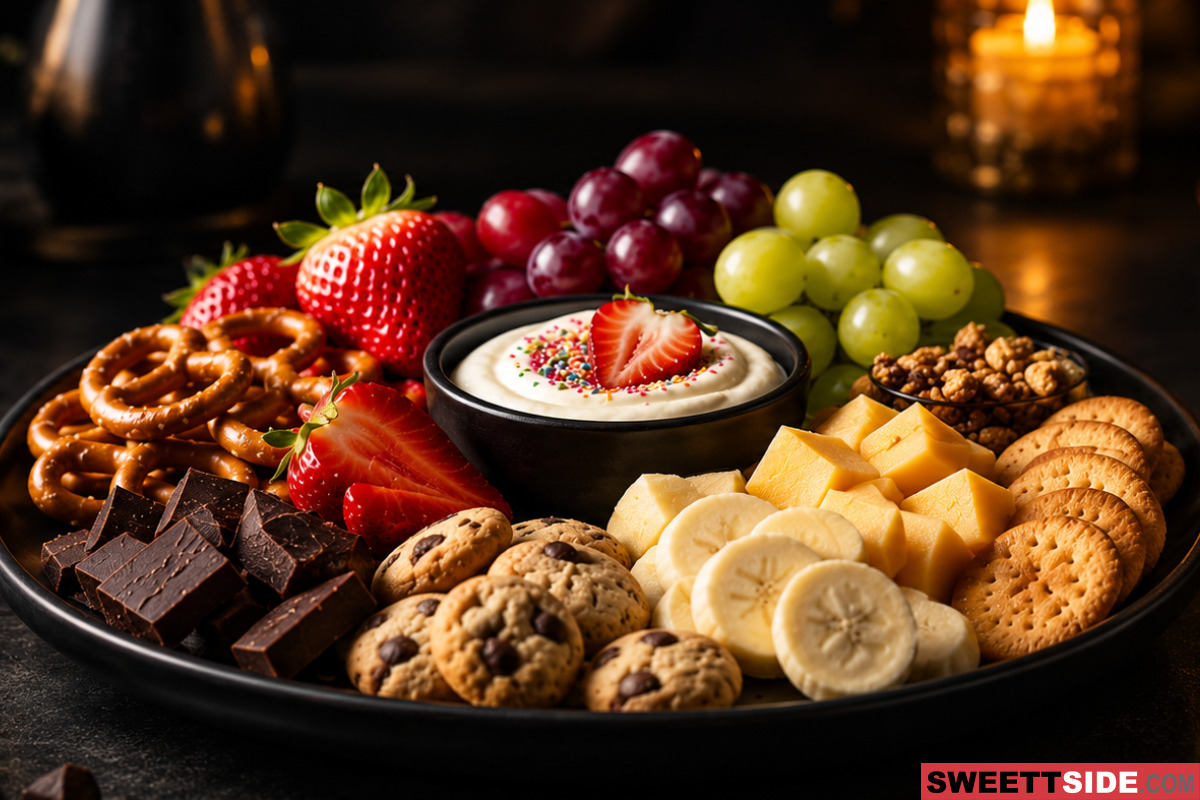
Building a kids snack charcuterie board is easier than it looks. Get simple layouts, themed ideas, and party-ready tips real parents actually use.
Kids Snack Charcuterie Board: The Easy Guide Parents Actually Need
You’ve seen the boards. Perfectly arranged little piles of fruit, cheese, and crackers, looking like something out of a magazine. Then you look at your own kitchen counter and think there’s no way you’re pulling that off before snack time turns into a meltdown.
Good news: a kids snack charcuterie board is one of the most forgiving things you can put together. There’s no wrong way to arrange a grape. This guide walks you through exactly what to buy, how to lay it out, and how to adapt it for parties, picky eaters, and whatever theme your kid is obsessed with this month.
What Is a Kids Charcuterie Board, Really?
Strip away the fancy name and a kids charcuterie board is just a snack tray with variety. Instead of one bowl of pretzels, you’re spreading out small portions of five or six different foods so kids can pick and choose.
That’s actually the whole appeal. Kids who won’t touch a plate of mixed food will happily grab pieces off a board because it feels like they’re choosing, not being told what to eat.
A few reasons this format works so well for kids:
- Built-in portion control :small piles naturally keep servings reasonable
- Less pressure : nobody’s forcing a “clean plate,” they just graze
- Visual appeal : kids eat with their eyes first, and color does a lot of the work
- Flexible for any group size : one board scales from a single kid to a whole party
What You Need Before You Start
You don’t need a fancy wooden board to make this work. Here’s what actually helps:
- A large flat surface a cutting board, sheet pan, or even a clean baking tray
- Small bowls or ramekins for dips, so sauces don’t run into everything else
- Parchment paper if you want easy cleanup and a rustic look
- Cookie cutters for turning cheese or sandwiches into shapes
- Small tongs or spoons so little hands aren’t grabbing everything with fingers
Pro tip: If you don’t own a charcuterie board, a large cutting board or even a clean cardboard tray lined with parchment works just as well. The ingredients are doing most of the visual work anyway.
The Building Blocks of a Simple Charcuterie Board For Kids
Think in categories rather than specific foods. Once you’ve got a handle on the categories, you can swap ingredients based on what’s in your fridge or what your kid actually likes.
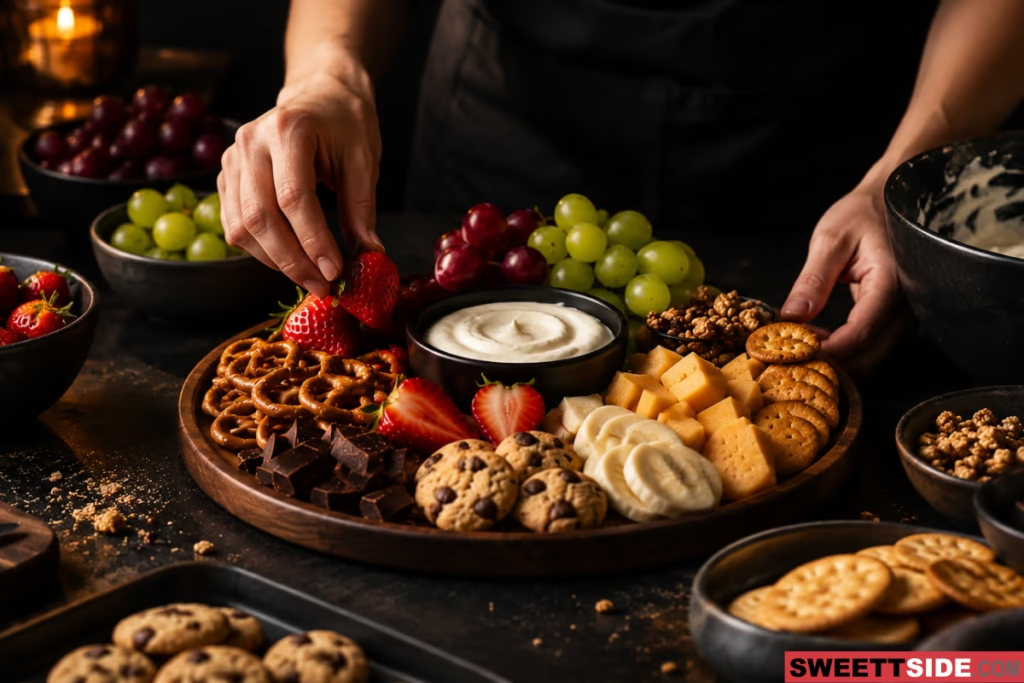
Fruits
This is where a board earns its keep nutritionally, and fruit adds natural color without any extra effort.
- Grapes, halved for younger kids
- Strawberries, sliced or whole
- Orange segments or clementine wedges
- Apple slices (a quick dip in lemon water keeps them from browning)
- Berries of any kind, since they fill gaps beautifully
Veggies and Dippers
Kids are more likely to eat veggies when there’s something to dunk them in.
- Baby carrots or carrot sticks
- Cucumber rounds
- Cherry tomatoes, halved for smaller kids
- Bell pepper strips
- Ranch, hummus, or a yogurt-based dip
Protein and Cheese
Cut cheese into shapes with cookie cutters and it disappears fast, even with picky eaters.
- Cheese cubes or star-shaped cheese slices
- Turkey or ham rolled into little bundles
- Hard-boiled eggs, halved
- A small pile of nuts if there are no allergy concerns
Carbs and Crunch
This is where kids get their “treat” texture without it being pure sugar.
- Whole grain crackers
- Pretzel twists or sticks
- Mini breadsticks
- Popcorn, in its own small bowl to keep it from going stale against wetter foods
A Sweet Touch
Every board needs one or two things that feel like a reward.
- A few pieces of dark or milk chocolate
- Dried fruit like apricots or mango
- A small pile of animal crackers
- Mini marshmallows, used sparingly
A Simple Charcuterie Board For Kids: The Beginner Layout
If you’re doing this for the first time, don’t overthink the arrangement. Use this as your starting template:
- Place bowls of dip in the corners first, since everything else builds around them
- Add cheese and protein in small clusters near the dips
- Fill in fruit in loose piles, mixing colors so nothing looks flat
- Add crackers and crunchy items in rows or fans
- Tuck veggies into any remaining gaps
- Finish with the sweet items last, since they’re usually the smallest portions
Working in this order keeps you from running out of space for the “fun” stuff and gives the board a full, colorful look with almost no design skill required.
Kid Charcuterie Board Ideas by Theme
Once you’ve got the basics down, theming a board is just swapping colors and shapes to match the occasion.
Birthday party board Stick to the birthday kid’s favorite colors. Use star or heart cookie cutters on cheese, and add a small pile of sprinkle-topped cookies as the centerpiece.
Movie night board Popcorn takes the center spot, surrounded by candy-adjacent items like dried fruit, chocolate pieces, and pretzels for that “treat night” feeling.
Back-to-school board Keep it simple and quick to assemble on a weekday. Apple slices, cheese cubes, crackers, and a small dip cover the basics without much prep.
Holiday board Lean into seasonal colors: red and green for winter holidays, orange and black for fall, pastels for spring. The ingredients barely change, just the color pairing.
Snack Boards For Parties: Scaling Up for a Group
A single kid’s snack board and a party spread aren’t that different, they just need more real estate and a little more planning.
- Use a large table or several smaller boards spread out, rather than one giant tray everyone crowds around
- Double up on dips since they run out fastest
- Pre-portion a few small plates for younger kids who won’t navigate a shared board well
- Label anything with common allergens like nuts, so other parents can check at a glance
Warning: If kids from outside your household will be eating from the board, always ask about allergies ahead of time and keep allergen-heavy items in a clearly separate section.
Allergy-Friendly and Picky-Eater Swaps
Every kid’s board looks a little different once you factor in real dietary needs. A few common swaps:
- Nut allergies — swap nuts for seeds or extra dried fruit
- Dairy-free — use dairy-free cheese alternatives or lean harder into fruit and veggies
- Picky eaters — keep familiar foods (like plain crackers) in higher quantity, and treat new items as optional extras rather than the main event
- Gluten-free — swap regular crackers for rice cakes or gluten-free crackers, and double check any packaged dips
Make-Ahead and Storage Tips
Boards look their best fresh, but you can absolutely prep pieces ahead of time.
- Pre-cut fruits and veggies up to a day ahead and store them in airtight containers
- Keep wet and dry items separate until right before serving, so crackers don’t go soft
- Assemble the board itself no more than an hour or two before serving for the best texture
- Leftovers can usually be combined into a quick snack container for the next day, minus anything that’s been sitting out too long
Common Mistakes to Avoid
- Too much of one color >> mix fruit and veggie colors so the board doesn’t look one-note
- Skipping the dip >> dips are often what gets picky eaters to try something new
- Overcrowding >> leave a little breathing room between piles so it doesn’t look like a mess
- Forgetting cut sizes >> always cut round foods like grapes and tomatoes into smaller pieces for younger kids
Frequently Asked Questions
What age is a charcuterie board appropriate for? Most of these ideas work well from toddler age up, as long as you adjust cut sizes for choking hazards in younger kids.
How far in advance can I make a kids charcuterie board? Prep the individual ingredients up to a day ahead, but assemble the full board within an hour or two of serving for the best look and texture.
What’s a good budget-friendly version? Lean on whatever produce is already in season and swap deli meat or specialty cheese for pantry staples like crackers, popcorn, and fruit you already have on hand.
Can I make one for a large group of kids? Yes, just scale up quantities and consider spreading the spread across two or three smaller boards instead of one massive one, so kids aren’t crowding around a single spot.
Wrapping Up
A kids snack charcuterie board doesn’t need to be complicated to work. Pick a few items from each category, arrange them with a little color variety, and you’ve got something that looks intentional without hours of effort.
Try building your first board with whatever you already have in the fridge this week, then start adjusting based on what your kids actually reach for first. That’s the real trick: let their preferences guide the next version.