15 Best Gingerbread Cake Recipes: Moist, Sticky & Cozy Holiday Favorites
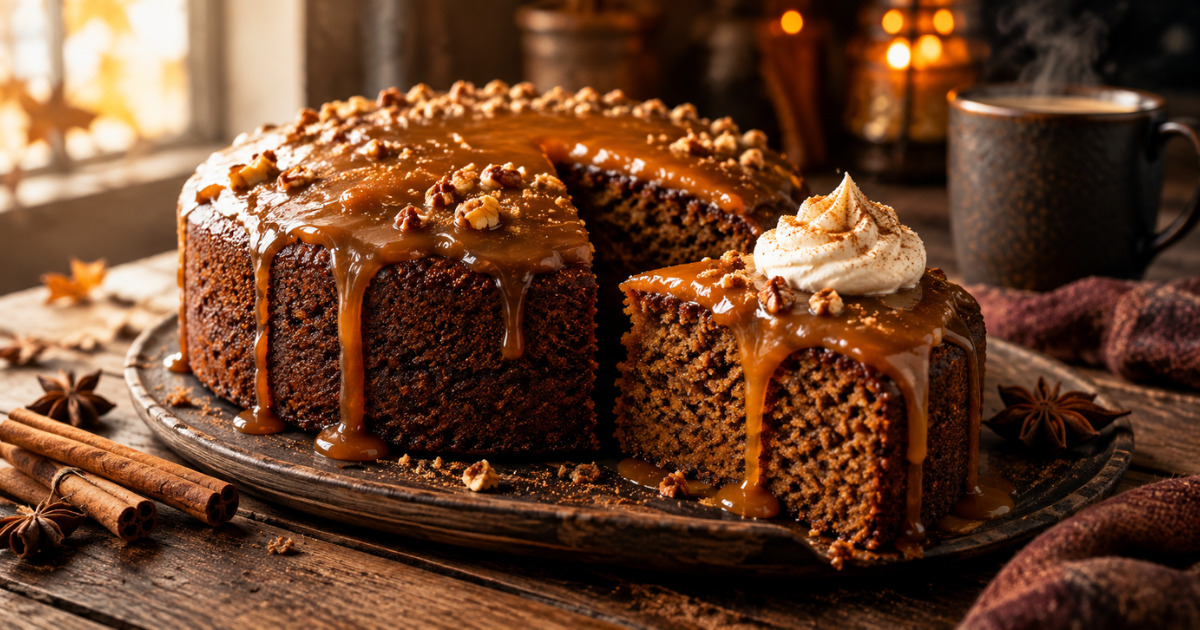
Learn how to bake the perfect Gingerbread Cake from scratch. Explore Gingerbread Cake Recipes, sticky gingerbread variations, delicious butterscotch sauce pairings, and easy tips for making cozy small snack cakes.
Table of Contents
The Ultimate Guide to Baking a Perfectly Spiced Gingerbread Cake
There is something about the smell of ginger, cinnamon, and molasses filling up your kitchen that just feels like a warm hug. You might be here because you want to bake something impressive for the holidays, or maybe you just have a craving for those deep, cozy flavors on a random Tuesday afternoon.
Whatever brought you here, you are in the right place. Baking a gingerbread cake from scratch is easier than you think. You might worry about it turning out dry, or the spices being too overpowering. But honestly? It is one of the most forgiving and rewarding cakes you can make.
I am going to walk you through everything you need to know. We will cover the difference between a fluffy cake and a dense, sticky loaf. We will talk about how to make a small batch if you do not want leftovers. And I will share the secret to a butterscotch sauce that will make people think you went to culinary school.
Grab your apron, preheat that oven, and let’s get into it.
What Makes a Gingerbread Cake Different from Gingerbread Cookies?
Before we start mixing, it helps to understand what you are actually making. If you are expecting a crunchy cookie, you might be surprised. A gingerbread cake is a totally different beast.
While cookies are snappy and firm, the cake version is soft, moist, and usually a bit darker. The magic comes from molasses. Unlike white sugar, molasses brings a deep, slightly bitter, and earthy sweetness that defines the flavor profile. It also adds moisture, which helps the cake stay fresh for days.
You will also notice a difference in the leavening. Cakes rely on baking soda and baking powder to get that rise. When the baking soda hits the acidic molasses, it creates bubbles that make the batter fluffy. This chemical reaction is why you should not skip the soda.
Pro Tip: Always check the date on your baking soda. If it is old, your cake will not rise properly, and you will end up with a dense brick instead of a fluffy dessert.
Choosing Your Style: Sticky, Fluffy, or Snack Cake?
Not all gingerbread is created equal. Depending on your mood or the occasion, you might want a different texture. Here are the main styles you will encounter.
The Sticky Gingerbread Cake
This is the traditional, old-school version. It is often baked in a square pan or a loaf pan. The texture is incredibly moist, almost pudding-like at the bottom. It gets better with age, meaning if you bake it today, it will taste even better tomorrow.
This style usually uses more molasses and sometimes fresh ginger for a bit of a kick. It is perfect for a cold evening when you want something substantial.
The Fluffy Layer Cake
If you want to stack layers and cover it in frosting, you want a fluffy version. This uses butter and a bit more flour to create a structure that can hold up to stacking. It is lighter in color and texture but still packs that spice punch.
The Small Gingerbread Cake
Sometimes you do not need a massive sheet cake. Maybe you are cooking for one or two people, or you just want a little treat without the temptation of leftovers. A small gingerbread cake is perfect for this. You can bake it in a loaf pan, a small cast-iron skillet, or even ramekins.
Scaling down a recipe can be tricky because of the eggs and leavening, but a gingerbread snack cake recipe is usually designed for a single 8×8 pan or a small loaf. It takes less time to bake and cools quickly, so you can eat it sooner.
The Essential Ingredients (And Why They Matter)
You do not need fancy equipment, but you do need the right ingredients. Let’s break down the heavy hitters.
- Molasses: This is the star. Do not substitute with maple syrup or honey unless you are in a pinch. You want “unsulphured” molasses (like Grandma’s brand). Blackstrap molasses is too bitter for most cakes, so stick to regular.
- Brown Sugar: This adds moisture and a caramel note. Dark brown sugar is better than light brown for a deeper flavor.
- The Spice Blend: You can buy a pre-made pumpkin pie spice, but making your own mix is better. You need ground ginger, cinnamon, cloves, and nutmeg. Cloves are powerful, so use them sparingly.
- Hot Water or Coffee: Many recipes call for adding boiling water or hot coffee at the end. This blooms the spices and thins the batter. Coffee does not make it taste like coffee; it just enhances the chocolatey and spicy notes of the molasses.
Step-by-Step: How to Bake a Classic Gingerbread Cake
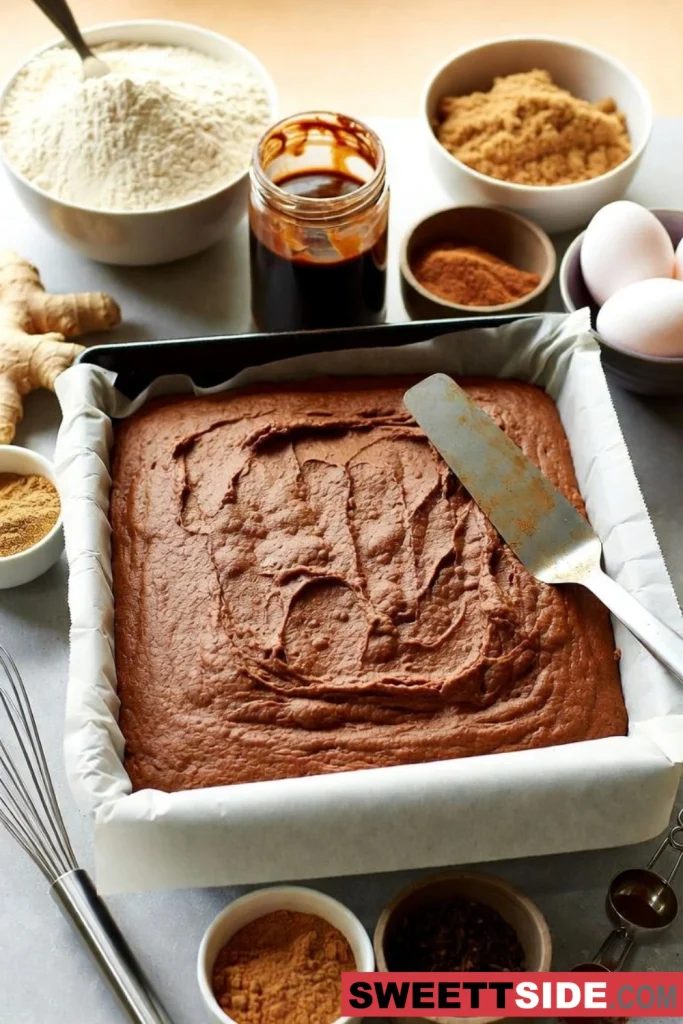
Alright, let’s get baking. This method works for a standard 9×9 pan or a 9×5 loaf pan. If you are making a small gingerbread cake, you can halve the recipe, but keep an eye on the baking time.
Step 1: Prep Your Pan
Do not skip this. Gingerbread is sticky. If you do not grease and flour your pan, or line it with parchment paper, you are going to lose the bottom of your cake. I prefer parchment paper because it creates a handle to lift the cake out.
Step 2: Mix the Dry Ingredients
In a medium bowl, whisk together your flour, baking soda, salt, ginger, cinnamon, cloves, and nutmeg. Whisking does two things: it breaks up lumps and distributes the spices evenly so you do not get a pocket of clove in one bite.
Step 3: Cream the Butter and Sugar
In a large bowl, beat your softened butter and brown sugar until it is light and fluffy. This usually takes about 3 minutes with a hand mixer. Add your egg and beat until combined.
Step 4: Add the Molasses
This is where it gets messy. Pour in your molasses. The batter might look curdled or separated at this point. That is totally normal. Do not panic. Just mix it in.
Step 5: Alternate Dry and Wet
Add your dry ingredients in three parts, alternating with the hot water (or coffee) in two parts. Start with the flour, then the water, then flour, then water, then finish with flour. Mix on low speed until just combined. Overmixing here will make the cake tough.
Step 6: Bake
Pour the batter into your prepared pan. Bake at 350°F (175°C). A 9×9 pan usually takes about 35 to 40 minutes. A loaf pan takes longer, usually 50 to 60 minutes. A small snack cake in an 8×8 pan will be faster, around 25 to 30 minutes.
Warning: Every oven runs a little hot or cold. Start checking your cake 5 minutes before the timer goes off. Insert a toothpick in the center. If it comes out with moist crumbs, it is done. If it is wet batter, keep baking.
Taking It Up a Notch: Gingerbread Cake With Butterscotch Sauce
You can absolutely eat this cake plain with a dusting of powdered sugar. But if you want to impress people, you serve it warm with a Gingerbread Cake With Butterscotch Sauce.
The combination of the deep, spicy cake and the sweet, buttery, salty sauce is unreal. It is the ultimate comfort dessert.
How to Make Quick Butterscotch Sauce
You do not need to buy the jarred stuff. Homemade is so much better and takes about 10 minutes.
- Melt 1/2 cup of butter in a saucepan.
- Add 1 cup of brown sugar and a pinch of salt. Stir until it is bubbling.
- Pour in 1/2 cup of heavy cream. Be careful, it will sputter.
- Let it simmer for 3 to 5 minutes until it thickens slightly.
- Remove from heat and stir in a teaspoon of vanilla extract.
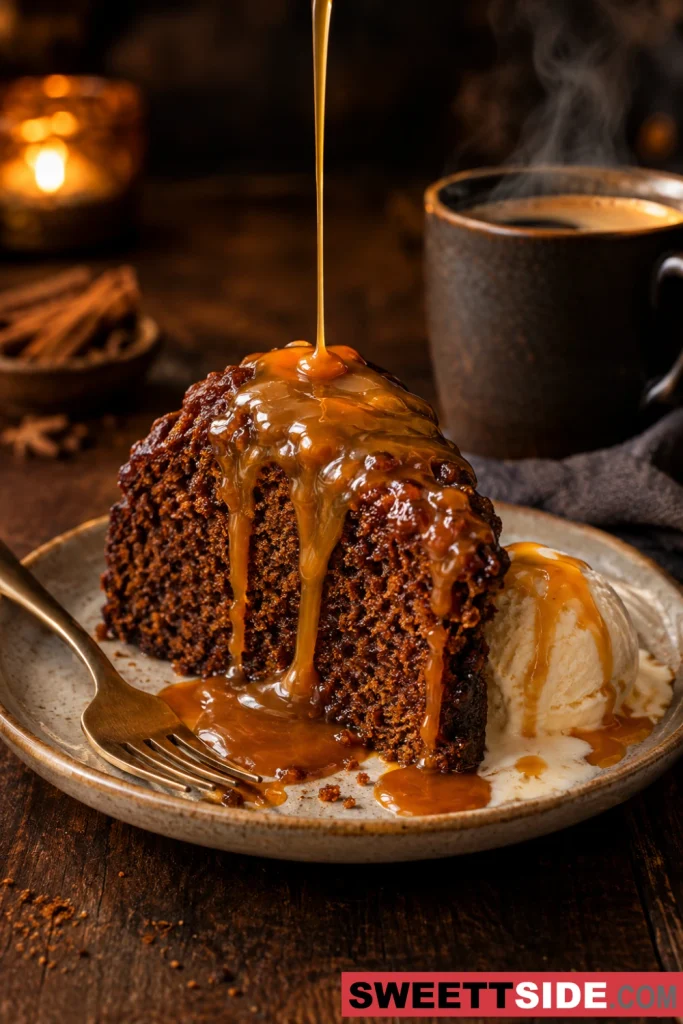
Pour this warm sauce over a slice of your warm gingerbread cake. Add a dollop of whipped cream or vanilla ice cream. The contrast between the hot cake and the cold ice cream is amazing.
Baking Tips for Beginners
If this is your first time baking a spice cake, here are a few things I wish I knew when I started.
Do not overbake. Gingerbread goes from “moist and perfect” to “dry and crumbly” very fast. As soon as that toothpick comes out clean, take it out.
Let it cool in the pan. Because this cake is soft, it needs time to set up. If you try to flip it out of the pan immediately, it might crack. Let it rest for 15 minutes in the pan before moving it to a wire rack.
Use fresh spices. Spices lose their power over time. If your ginger has been in the cabinet since 2015, it is not going to taste like much. Buy new jars for the season. You will notice the difference.
Serve it the next day. I know it is hard to wait. But the flavor of a Sticky Gingerbread Cake actually improves overnight. The spices meld together, and the molasses spreads its moisture throughout the crumb. If you can wait 24 hours, you will be rewarded.
How to Store Your Gingerbread Cake
This cake is a keeper. It does not dry out as fast as a sponge cake.
- At Room Temperature: Keep it in an airtight container. It will last 3 to 4 days.
- In the Fridge: If you live in a humid climate, or if you frosted it with cream cheese, store it in the fridge. Just bring it to room temp before serving so the texture softens up.
- Freezing: You can freeze gingerbread cake for up to 3 months. Wrap it tightly in plastic wrap, then foil. Thaw it in the fridge overnight.
Variations to Try
Once you have mastered the basic recipe, you can start playing around.
- Orange Zest: Add a tablespoon of orange zest to the batter. The citrus cuts through the heavy spices beautifully.
- Crystallized Ginger: Fold in chopped crystallized ginger for a chewy little kick. at the end for a chewy texture.
- Cream Cheese Frosting: If you make a layer cake, a tangy cream cheese frosting balances the sweetness better than a buttercream.
- Yule Log Cake: If you are feeling ambitious for the holidays, you might try your hand at a yule log cake. While traditionally a chocolate sponge, a gingerbread-flavored roll cake is a fun twist on the classic.
Frequently Asked Questions
Can I use blackstrap molasses?
I would not recommend it for beginners. Blackstrap is very bitter and strong. It can make your cake taste almost medicinal. Stick to regular unsulphured molasses.
Why is my gingerbread cake gummy?
This usually happens if you overmixed the batter or added too much liquid. It can also happen if you take it out of the oven too early. The center needs to be fully set.
Can I make this gluten-free?
Yes. You can substitute the all-purpose flour with a 1-to-1 gluten-free baking blend. The texture will be slightly different, but it will still taste great.
What is the best pan for a small gingerbread cake?
A standard loaf pan (8.5 x 4.5 inches) is great for a small batch. You can also use a 6-inch round cake pan if you want to make a mini layer cake.
Conclusion: Time to Bake
Baking a gingerbread cake is about more than just following a recipe. It is about creating a moment. Whether you are making a small gingerbread cake for a cozy night in, or a massive Sticky Gingerbread Cake for a holiday party, the process is satisfying.
The smell alone is worth the effort. And when you take that first bite, with the spicy crumb and the sweet butterscotch sauce, you will be glad you did not just buy a boxed mix.
So, pick your favorite variation, preheat your oven, and get baking. Your kitchen is about to smell incredible.
If you try this recipe, let me know how it turns out. Did you go with the butterscotch sauce? Did you add a twist? Drop a comment below and share your baking story. Happy baking